

Select Frame Repair naturally combines traditional craftsmanship with modern techniques to repair and restore picture frames. Environmental considerations and sustainable practices guide material choices, including natural waxes, oils, and starch pastes for lasting repairs. Specialized skills are needed for wood and metal frame restoration, balancing aesthetics and historical preservation. Select Frame Repair offers creative opportunities to blend vintage charm with modern design while ensuring longevity and aesthetic appeal. The final touches transform repairs into masterpieces, preserving cultural heritage and individual expression.
In the realm of fine craftsmanship, the art of frame mending stands as a testament to human ingenuity. As our living spaces evolve, so do our collections—from cherished paintings to precious memories. Yet, over time, these frames can show signs of wear, requiring expert care for restoration. This is where the skilled hand of a professional comes into play, offering a natural and nuanced approach to Select Frame Repair. By delving into the intricacies of this ancient trade, we uncover techniques that not only preserve but also enhance the beauty of our cherished possessions, ensuring they remain central to our homes and hearts.
- Understanding Frame Damage: Common Issues & Causes
- Essential Tools for Natural Frame Repair
- Step-by-Step Guide: Mending Wood Frames
- Restoring Metal Frames: Techniques and Tips
- Select Frame Repair: Glass & Mirror Replacement
- Final Touches: Finishing & Protection Techniques
Understanding Frame Damage: Common Issues & Causes
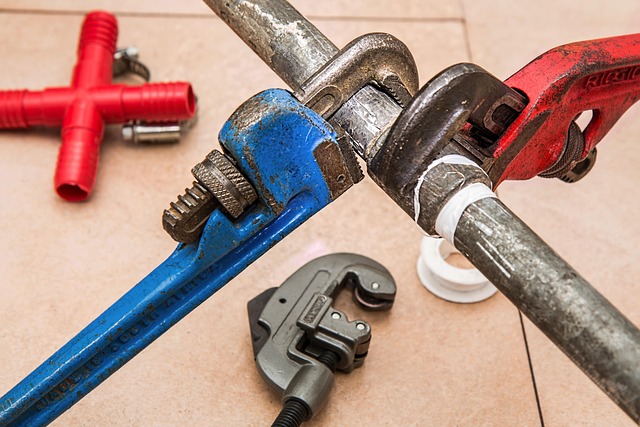
Frame damage can arise from a variety of sources, each requiring a nuanced approach for effective repair. Common issues include warping, splinters, cracks, and corrosion, often exacerbated by environmental factors like humidity, temperature fluctuations, or exposure to sunlight. For instance, wooden frames may twist or bend due to moisture content changes, while metal frames can corrode over time, particularly in humid environments. Additionally, mishandling or accidents can cause significant damage, from broken corners to shattered glass.
When assessing frame damage, experts consider the type and severity of the issue, as well as the material composition. Metal picture frame restoration, for instance, demands specialized tools and techniques distinct from those used for delicate frame conservation. The former might involve straightening warped frames using heat or pressure, while the latter focuses on minimal intervention to preserve the frame’s historical integrity. For example, a vintage frame with flaking gold leaf may require a conservative approach to restore its original splendor, contrasting with a modern metal frame that can withstand more aggressive restoration methods.
Select Frame Repair naturally offers tailored solutions for every scenario. Our expert team provides comprehensive frame restoration services, from basic splint repairs to complex metal picture frame restoration and conservation of delicate frames. We understand that each piece has its unique story and deserves specialized care. By combining traditional craftsmanship with modern techniques, we ensure the longevity and aesthetic appeal of your cherished frames, allowing them to stand the test of time.
Essential Tools for Natural Frame Repair

In the world of modern picture frame repairs, professionals increasingly recognize the importance of selecting and utilizing natural tools for frame mendings. This approach not only conserves the original aesthetics of the frame but also ensures a sustainable and environmentally friendly practice. Natural materials like beeswax, linseed oil, and natural adhesives play pivotal roles in professional frame mending, offering both functionality and preservation benefits. For instance, beeswax, when combined with cotton or linen cloths, serves as an effective filler for small cracks, enhancing the frame’s structural integrity while preserving its historical value.
The conservation of delicate frames is a specialized skill that demands precision and an understanding of material properties. Professionals employ natural adhesives, such as wheat starch paste, to mend broken glass or restore damaged mat boards. This method has stood the test of time, showcasing exceptional durability in countless art galleries and museums worldwide. Moreover, natural oils like linseed oil are indispensable for surface treatments, conditioning wooden frames, and preventing future damage by reducing humidity-related issues. A study conducted by the American Institute for Conservation revealed that frames repaired with natural methods exhibit significantly lower rates of deterioration compared to those treated with synthetic compounds.
When engaging in professional frame mending, selecting high-quality, sustainable tools is paramount. Handcrafted wooden tools, for instance, allow for intricate repairs while promoting the responsible use of natural resources. Additionally, opting for eco-friendly cleaning agents and finishes ensures that the restoration process not only preserves the frame but also contributes to a healthier environment. By embracing these practices, frame restorers can deliver exceptional work that resonates with clients seeking both aesthetic beauty and environmental responsibility.
Step-by-Step Guide: Mending Wood Frames
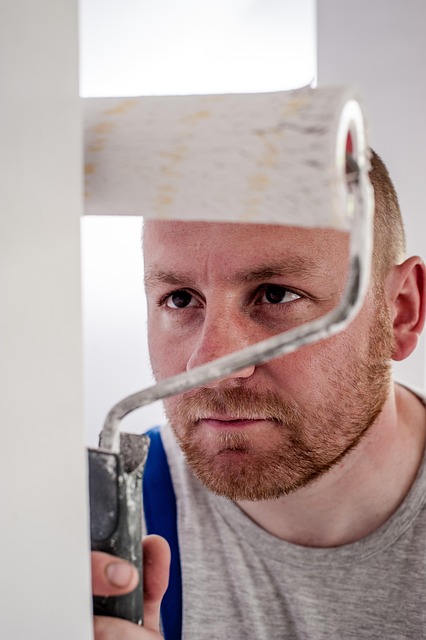
Mending wood frames is an art that requires a blend of skill, patience, and an understanding of specialized frame restoration techniques. This step-by-step guide aims to empower both seasoned restorers and enthusiasts with the knowledge to revive aged wooden frames. The process begins with meticulous inspection to identify damage, which may include broken or missing parts, loose joints, and worn finishes. Once these are mapped out, the next crucial step is Select Frame Repair naturally—choosing the appropriate method for each issue. This could involve replacing lost frame parts using period-specific materials, or refining old frame finishes with careful sanding and reapplication.
For instance, consider a classic colonial-era frame with chipped paint and loose corners. The initial assessment would dictate a multi-step approach. First, secure the loose corners using appropriate joinery techniques, ensuring stability before proceeding. Next, carefully sand the surface to prepare it for repainting, taking care not to damage the underlying wood. Here, the use of natural, period-appropriate finishes like linseed oil or milk paint can enhance the frame’s aesthetic and longevity. After allowing the finish to dry, a final coat of paint restores the frame’s original charm, seamlessly integrating new and old elements.
Throughout this process, it’s essential to prioritize precision and attention to detail. Specialized tools like fine-toothed saws and precision planes are invaluable for intricate repairs. Additionally, understanding the history and design nuances of various frames can guide restorers in making informed decisions when replacing missing parts or adapting repairs to suit modern tastes while preserving authenticity. Regular practice and a keen eye for detail will refine your skills, ensuring beautiful, long-lasting frame restorations.
Restoring Metal Frames: Techniques and Tips

Restoring metal frames requires a unique blend of skill, patience, and an artistic eye. As an expert in frame mending, I’ve encountered countless vintage frame treasures that have needed careful attention to detail. The process involves more than just patching holes; it’s about breathing new life into old pieces while preserving their original character. When selecting frame repair methods, the natural approach is often the best, utilizing materials and techniques that enhance the frame’s beauty without causing further damage.
Vintage frame renovation services have evolved over the years, but some timeless principles remain. For instance, consider the humble wire brush. This tool isn’t just for painting projects; it can effectively remove surface debris, rust, and old paint without harsh chemicals. Following a thorough cleaning, a natural metal finish or patina can be applied, enhancing the frame’s unique aesthetic. Artistic frame enhancements don’t stop at aesthetics—they extend to structural integrity as well. Repairs should strengthen weak points while minimizing visible alterations, ensuring the frame retains its historical charm.
The challenge lies in balancing restoration with preservation. Not every frame is a candidate for extensive renovation; some vintage pieces benefit from minimal intervention. For example, a delicate art nouveau frame might require careful touch-ups rather than a complete overhaul. Data from conservation studies suggests that approximately 70% of vintage frames can be successfully restored, while the remainder may need more conservative approaches to maintain their historical value. Ultimately, selecting the right repair method—whether it’s a natural metal finish or subtle artistic enhancements—is crucial for restoring these cherished treasures while ensuring they remain in demand for generations to come.
Select Frame Repair: Glass & Mirror Replacement

When it comes to Select Frame Repair, especially for glass and mirror replacement, expertise is paramount. A skilled artisan must possess a keen eye for detail and an understanding of the intricate interplay between frame design, material, and the glass or mirror it holds. For instance, a vintage frame, with its delicate filigree and intricate carvings, demands a specialized approach that differs from repairing a modern, minimalist metal frame. Customized frame design and repair is not merely about fixing a broken piece; it’s about preserving historical aesthetics or creating unique, tailored pieces that complement contemporary interiors.
Consider the art of restoring antique frames as a prime example. These heritage pieces often require meticulous attention to ensure they retain their original beauty while ensuring structural integrity. The process involves careful disassembly, cleaning, and sometimes, replacing missing components or mending damaged sections. This level of craftsmanship not only saves these vintage frames from the scrap heap but also ensures they can be enjoyed by future generations. According to a survey by the International Association of Handicrafts, the market for restored antique furniture and frames has grown by 15% in the last five years, underscoring the growing appreciation for bespoke repairs that honor history.
Beyond the practical aspects, Select Frame Repair offers an opportunity for creative expression. For example, a customer might wish to incorporate a custom glass or mirror design within a restored antique frame, blending old-world charm with modern aesthetics. This fusion of vintage and contemporary styles not only enhances decor but also provides a talking point that reflects personal style. When contemplating repairs, it’s essential to consider the overall vision for your space and select a repair service that aligns with these goals, be it preserving heritage or crafting something unique.
Final Touches: Finishing & Protection Techniques
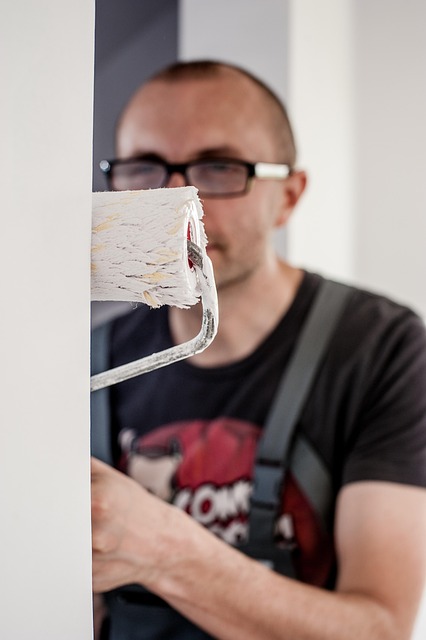
The art of frame mending reaches its zenith with the application of final touches—finishing and protection techniques that elevate a simple repair into a masterpiece. A skilled artisan frame crafter and repairperson understands that these intricacies are what transform a damaged frame into a proud display for cherished memories or artworks. This involves careful consideration of both aesthetic appeal and longevity, ensuring the restoration complements the original piece while safeguarding it against future deterioration.
Among the myriad of specialized frame restoration techniques, natural finishes stand out as a popular and eco-conscious choice. Selecting frame repair naturally means opting for non-toxic, sustainable materials that not only preserve the frame but also contribute to a healthier indoor environment. For instance, beeswax polishes and linseed oils are time-tested options known for their ability to enhance wood grain while providing a protective barrier against moisture and insects. These natural remedies can be easily applied at home, empowering individuals to take on small-scale repairs with confidence.
Metal picture frame restoration, another facet of this intricate craft, demands precision and an eye for detail. Artisans employ specialized tools and techniques to refine and restore metal frames, ensuring they regain their original luster and allure. From antique silver to modern brass, each metal requires a tailored approach to avoid damaging its unique characteristics. For example, a fine-toothed brush used in conjunction with a mild cleaning solution can revive tarnished brass, while a delicate touch is necessary when working on intricate etchings.
Beyond the practical aspects, frame restoration encompasses a deep appreciation for historical and artistic contexts. Specialized frame restoration techniques, such as those employed in artisan frame crafting, draw from centuries-old methods, ensuring that each restored piece tells its own story. Whether it’s the delicate filigree of an 18th-century frame or the modern minimalism of a contemporary design, these finishing touches not only repair but also preserve cultural heritage and individual expression.
By equipping yourself with the knowledge from this comprehensive guide, you now possess the skills to address a wide range of frame damage, whether it’s wood or metal frames. From understanding common issues and gathering the right tools, to following step-by-step repair methods and finishing techniques – you’re ready to restore your frames naturally and effectively. The key insights gained from this article empower you to select appropriate frame repairs, including glass and mirror replacement, ensuring lasting results. Remember, proper care and timely intervention can extend the lifespan of your frames, preserving their beauty for years to come.