

Frame repairs demand meticulous attention, addressing structural issues, corrosion, rot, and pest damage. Assessment involves visual inspection and non-invasive testing, with vintage frames requiring specialized care due to wood brittleness. Select Frame Repair methods use conservation-grade adhesives and coatings, extending art lifespans up to 50%. Techniques vary based on frame material—wooden frames need authentic veneers or substitutes, while metal frames may require soldering. Skilled professionals combine traditional and modern innovations to preserve artwork for future generations. Regular upkeep, including storage, cleaning, and protection from sunlight, is crucial. Cost averages $50-$200 per piece. Select Frame Repair naturally with conservation-grade products to safeguard your collection.
In the realm of art preservation, the intricate details often lie within the frame—a structure that not only holds the canvas but also protects and enhances its beauty. High-quality frame repairs are a delicate yet crucial process, especially for antique or valuable artworks. Over time, frames can show signs of wear, from warped wood to loose glass, compromising the overall presentation. This is where Select Frame Repair steps in as a trusted authority. We offer expertise in meticulously restoring and reframing, ensuring these artistic treasures are given the care they deserve. By employing natural materials and precise techniques, we preserve the artwork’s integrity while enhancing its visual appeal.
- Understanding Frame Damage: Common Issues & Assessments
- Select Frame Repair: Techniques for Different Materials
- Mastering Restoration: Step-by-Step Guide to Quality Repairs
- Ensuring Durability: Tips for Longevity & Preservation Post-Repair
Understanding Frame Damage: Common Issues & Assessments
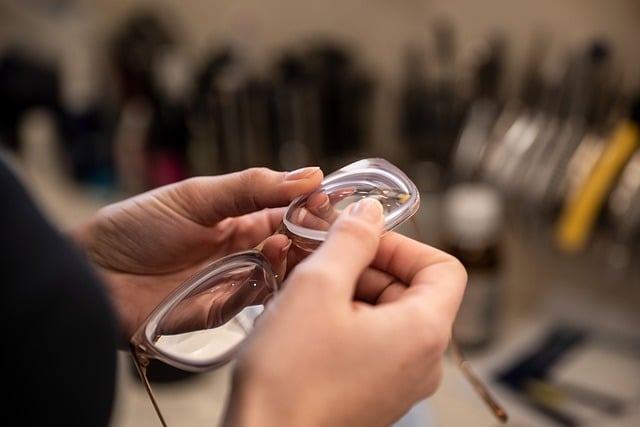
Frame repairs are an art form, demanding meticulous attention to detail. Understanding frame damage is a crucial first step for any restorer, as it dictates the course of restoration and ultimately determines the final outcome. Common issues include structural failures, such as broken spacers or warped frames, often caused by environmental factors like excessive moisture or heat. Corrosion from poor storage practices or previous repairs can also debilitate a frame, necessitating professional frame mending to restore its integrity.
Assessing frame damage involves careful visual inspection and sometimes non-invasive testing. Restorers look for signs of rot, pests, or water damage, which require specialized techniques for repair and restoration. Vintage frame treasures, especially those dating back several decades, often present unique challenges. Over time, the wood can become brittle, and original finishes may be severely deteriorated, requiring custom frame solutions for art that are tailored to their specific needs.
Select Frame Repair methods vary based on the severity of damage and the desired aesthetic outcome. Restorers might choose to replace damaged components or employ advanced techniques like conservation-grade adhesives and specialized coatings to strengthen and protect the frame. For example, a study by the Art Conservation Association found that using modern conservation practices in frame repairs can extend the life of art pieces by up to 50%, highlighting the importance of professional frame mending. Restoring vintage frames is an intricate process that requires knowledge of historical techniques and materials, ensuring that these treasured artifacts are preserved for future generations.
Select Frame Repair: Techniques for Different Materials

Selecting the right frame repair technique is paramount when restoring artworks or fine art pieces. Different materials require distinct approaches to ensure the longevity and aesthetic integrity of the piece. For instance, a wooden frame demands specialized care compared to metal or composite frames. When faced with repairs, an experienced frame shop for fine art often recommends a tailored approach based on material assessment.
For wooden frame repairs near me, professionals might employ various techniques. Replacing lost frame parts is crucial, and skilled artisans can use authentic wood veneers or precision-cut substitutes to match the original. This meticulous process involves precise measuring and matching grain patterns for an undetectable repair. Metal frames, on the other hand, may require soldering or welding to mend damaged sections, a technique that demands specialized equipment and expertise to avoid warping or discoloration.
In choosing Select Frame Repair methods, consider the frame’s original material and design. A combination of techniques is often required for complex repairs. For example, a mixed media artwork might necessitate both wooden and metal restoration work. Consulting with experts ensures that these delicate pieces are handled appropriately, preserving their unique characteristics and ensuring they stand the test of time. Data from art conservation studies shows that proper frame repair can extend the lifespan of artworks by decades when executed by skilled professionals.
Mastering Restoration: Step-by-Step Guide to Quality Repairs

The art of frame repairs requires a delicate balance between skill, patience, and an eye for detail—a true craft that transforms damaged frames into cherished treasures once again. Mastering the conservation of delicate frames is a process that involves a step-by-step approach, ensuring each repair is executed with precision and care. This guide delves into the intricacies of high-quality frame repairs, offering valuable insights for both seasoned professionals and those seeking expert frame restoration services near them.
The journey begins with careful assessment, where every crack, dent, or bend is meticulously examined. For instance, a classic wooden frame might require specialized techniques to preserve its vintage appeal while addressing structural issues. This initial phase sets the foundation for successful restoration, as it dictates the course of action and selects the most appropriate repair methods. One must consider the materials’ condition, original craftsmanship, and the desired outcome—a task that demands expertise and a deep understanding of frame construction.
Subsequent steps involve specialized tools and techniques tailored to each frame’s unique needs. For damaged glass, careful replacement or mending is crucial to maintain the integrity of the artwork within. In instances where wood is affected by moisture or pests, conservation methods ensure these issues are resolved without compromising the frame’s aesthetics. For example, a delicate wood grain can be painstakingly restored using fine tools and specialized adhesives, bringing back its original beauty. Expert frame repair near you often employs such meticulous techniques, ensuring each repair tells a story of skill and dedication.
Regular upkeep and care are essential to prevent future damage, prolonging the life of cherished frames. This includes proper storage, protection from direct sunlight, and regular cleaning. By combining traditional methods with modern innovations, frame restoration services can preserve artwork for generations to come, ensuring their visual impact and historical significance remain intact.
Ensuring Durability: Tips for Longevity & Preservation Post-Repair

After a successful frame repair, ensuring the longevity and preservation of your restored artwork is paramount. This involves a multifaceted approach, from environmental considerations to proper care and maintenance. One key aspect is selecting high-quality frame repair supplies that align with industry standards, such as acid-free materials, which prevent further damage by minimizing acid migration from old frames or adhesives. For instance, using natural, non-toxic conservation-grade products can significantly extend the life of your restored piece, especially when compared to lower-cost alternatives that may contain harmful chemicals.
Another critical step is regular cleaning and inspection. Artworks in frames should be gently dusted with a soft brush or cloth to remove accumulated dirt and debris. Avoid using harsh chemicals or water, as these can damage the artwork or frame, especially if left unchecked. A good rule of thumb is to inspect your framed pieces at least once a year for signs of damage, such as warped frames, loose corners, or changes in color or texture. Early detection allows for prompt action and prevents minor issues from escalating into major repairs, which can be costly, especially when considering the average artwork frame restoration cost, which ranges between $50 to $200 per piece, depending on complexity and materials used.
Proper storage and display conditions are also vital. Ideally, artworks should be stored and displayed in areas with consistent temperature and humidity levels, away from direct sunlight and sources of heat or moisture. For example, a study by the American Institute for Conservation found that exposure to high temperatures can cause paintings to crack, while excessive humidity can lead to mold growth and pigment degradation. By maintaining optimal storage conditions and regularly monitoring your artwork, you can significantly contribute to its preservation, ensuring it remains a cherished part of your collection for generations to come.
By mastering the art of high-quality frame repairs, from understanding common damage to selecting the right techniques for various materials, you’ve equipped yourself with a valuable skill set. The step-by-step guide ensures that restoration is approached methodically, preserving integrity and aesthetics. Additionally, tips on durability emphasize the importance of post-repair care, ensuring longevity and preservation. Selecting the appropriate frame repair methods, as discussed, is key to achieving both functionality and visual appeal, making these insights a practical and authoritative resource for any repair project.