

Assessing damage is key to Select Frame Repair naturally for fine art pieces. Professionals examine artworks and frames, using various techniques from simple replacements to complex conservation methods based on medium, historical context, and dimensions. Restoring vintage frames requires skill, precision tools, and specialized knowledge, while modern repairs may use power drills. Techniques vary by material—cold welding for metal, mortise and tenon for wood—ensuring authenticity and enhancing value. Custom solutions integrate frame design with art style. Specialized services guarantee expert care and precise restoration.
In the realm of art conservation, precise frame repair is an intricate dance between preserving history and enhancing visual appeal. The significance lies not only in restoring damaged frames to their former glory but also in ensuring the longevity of artworks. Unfortunately, missteps in this delicate process can lead to further deterioration or even loss of value. This article delves into the art and science behind select frame repair, offering a comprehensive guide for professionals and enthusiasts alike. By exploring advanced techniques and best practices, we empower you with the knowledge to undertake these repairs naturally, preserving cultural treasures for generations to come.
- Assessing Damage: Identifying Repair Needs
- Choosing Tools: Select Frame Repair Techniques
- Precise Restoration: Step-by-Step Guide to Success
Assessing Damage: Identifying Repair Needs
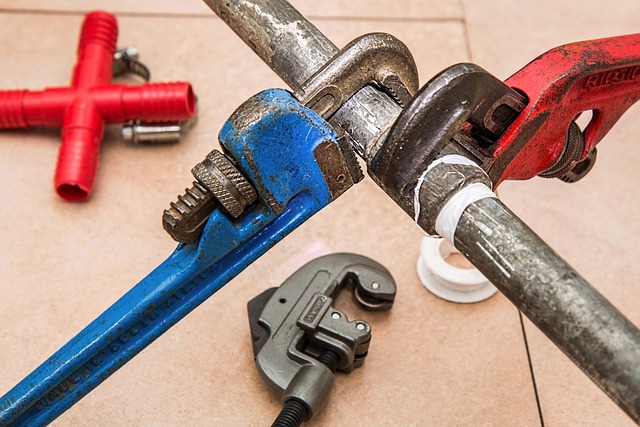
Assessing damage is a critical step in frame repair with precision, especially for fine art frame conservation. This initial evaluation determines the extent of restoration required and guides the selection of appropriate Frame Repair techniques. Each piece of art, whether an ancient masterpiece or a contemporary print, has unique needs that demand tailored care. For instance, a delicate antique painting may necessitate precise matting and refinishing to preserve its historical integrity, while a modern abstract composition could require innovative framing solutions to enhance its visual impact.
In a frame shop for fine art, professionals employ meticulous methods to identify repair needs. This involves examining the artwork and its current framing for signs of wear, damage, or misalignment. Customized frame design and repair experts look for issues like loose corners, warped frames, damaged matboards, or discolored glass. For example, a simple crack in the glass can be repaired by replacing it with a new panel, ensuring the artwork remains protected and visually appealing. However, more complex damages, such as extensive water damage or structural frame failure, may require specialized conservation techniques and custom solutions.
The process includes taking detailed notes on the observed damage, documenting dimensions, and considering factors like the art’s medium and historical context. This comprehensive assessment enables craftspersons to Select Frame Repair methods naturally, whether it’s a simple re-matting, intricate restoration, or a complete customized frame design. Fine art frame conservation, when approached with this level of scrutiny, ensures that each piece is restored to its former glory while adhering to the highest standards of preservation.
Choosing Tools: Select Frame Repair Techniques
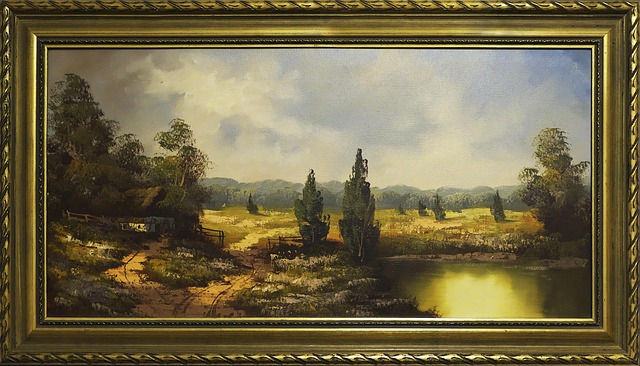
When it comes to frame repair with precision, selecting the right tools and techniques is paramount. The art of frame renewal services requires a thoughtful approach, especially when restoring vintage frame treasures that hold historical or sentimental value. Each frame has its unique characteristics, necessitating specialized frame restoration techniques to ensure optimal results.
Choosing the correct tools involves understanding the damage and the material at hand. For instance, fine art or antique frames often demand delicate repairs using precision instruments like tiny screwdrivers, fine-tipped files, and specialized glues formulated for historic materials. On the other hand, modern frames may benefit from more readily available tools, such as power drills with small bits for faster structural repairs.
Specialized frame restoration techniques include methods like cold welding for metal frames, where a special resin hardens without heat to mend broken joints, preserving the original integrity. For wood frames, techniques range from simple sanding and refinishing to complex mortise and tenon repairs, depending on the extent of damage. Restoring vintage frame treasures often necessitates a deep dive into historical restoration methods, ensuring authenticity and enhancing their value.
Ultimately, selecting the appropriate repair techniques requires a balance between skill, tools, and material knowledge. Whether you’re a professional seeking to offer top-tier frame renewal services or an enthusiast restoring personal treasures, investing time in understanding these intricacies ensures beautiful, lasting results.
Precise Restoration: Step-by-Step Guide to Success

Restoring a frame with precision is an art that requires skill, the right tools, and a keen eye for detail. This step-by-step guide delves into the intricacies of achieving flawless results in frame repair, ensuring your artwork or cherished possessions are presented at their best.
Start by assessing the damage. Whether it’s a cracked or damaged edge, a bent corner, or a loose frame, each issue demands a tailored approach. Gather your frame repair supplies near you; high-quality materials and tools are essential for success. Precision instruments like fine-tipped screwdrivers, small pliers, and precision saws allow for meticulous adjustments. For instance, when dealing with a bent frame, carefully straighten it using heat or specialized tools, being mindful not to cause further damage.
Custom frame solutions are often required for unique pieces of art, where off-the-shelf frames may not suffice. This could involve designing and crafting custom frames to complement the artwork’s style. Consider the frame as an extension of the art itself, focusing on color, texture, and shape to create a harmonious display. For instance, a gallery specializing in contemporary art might offer customized frame design and repair services, ensuring each piece is presented with the utmost care and precision. This level of customization requires skill and creativity, making it a sought-after service for art enthusiasts and professionals alike.
By meticulously assessing damage and identifying repair needs, combined with a strategic selection of tools and techniques, including Select Frame Repair methods, professionals can achieve precise restoration outcomes. The step-by-step guide outlines a systematic approach that ensures every detail is considered, from material preparation to final finishing touches. This comprehensive strategy not only restores frames to their former glory but also empowers individuals to confidently tackle repair projects, preserving valuable heirlooms and artwork for future generations.