

Restoring faded photo frames involves meticulous damage assessment and tailored repair methods. For minor issues, refinishing with suitable adhesives is sufficient; severe damage may require glass replacement and thoughtful reframing. Natural Frame Repair using non-toxic materials and traditional craftsmanship preserves artwork and reduces environmental impact, especially for irreplaceable or historically significant pieces. Accurate measurements, eco-friendly supplies, and careful preparation ensure successful revival of frame's original splendor through precise mending, reinforcing, and repainting.
In the realm of home decor, a faded frame can detract from even the most exquisite piece of art or cherished memory. The problem lies in the delicate balance between sentimentality and aesthetic appeal, where a simple repair can seem daunting. However, with the right approach, restoring faded frames is not only achievable but also an art form. This article delves into the intricacies of frame repair, specifically focusing on natural solutions that enhance, rather than mask, the original beauty. By providing step-by-step guidance and expert insights, we aim to empower folks to Select Frame Repair as a means of preserving their cherished moments naturally.
- Assess Damage & Choose Repair Method
- Gather Supplies: Select Frame Repair Naturally
- Restore Faded Frames Step-by-Step
Assess Damage & Choose Repair Method
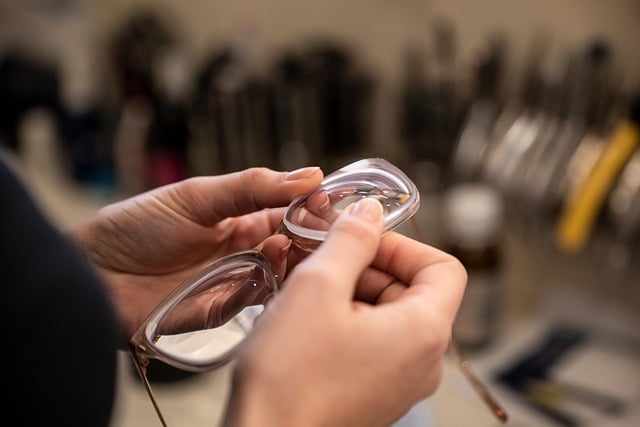
Restoring faded frames involves a meticulous process of assessing damage and selecting the most suitable repair method, which is crucial for artwork preservation through framing. When you’re faced with a damaged picture frame, the first step is to carefully examine it to understand the extent of the issue. Look for cracks in the frame itself, as well as any discoloration or peeling of the finish. If the damage is limited to minor scuffs or a faded appearance, a simple refinish might be all that’s needed. For more severe damages, such as broken glass or extensive structural issues, reframing may be necessary.
Consider the age and sentimental value of the artwork when deciding how to fix damaged picture frames. Old family photos, for instance, may warrant a thoughtful approach that preserves their original character. Reframing these pieces 1-2 times can help modernize them without losing their nostalgic appeal. However, if the frame is irreplaceable or holds immense historical significance, opting for natural Frame Repair techniques becomes paramount. These methods, which include using non-toxic materials and traditional craftsmanship, ensure both aesthetic restoration and environmental sustainability.
Selecting the right repair method depends on various factors, including the type of artwork, its condition, and your personal preferences. For instance, a delicate print might require a more conservative approach to avoid further damage, while a larger painting could benefit from bolder refinishing techniques. It’s essential to gather expert advice or consult with a professional framer if the damage is extensive. They can provide valuable insights tailored to the specific needs of your artwork, guiding you through the best course of action—whether it involves reframing old family photos or choosing natural Frame Repair for precious keepsakes.
Gather Supplies: Select Frame Repair Naturally

Restoring faded frames involves a careful blend of skill and the right materials. When looking to fix a broken frame at home or restore damaged photo albums, one of the most sustainable and cost-effective approaches is to opt for natural solutions. This approach not only preserves the aesthetic value of your cherished memories but also minimizes environmental impact. To begin, gather essential supplies like non-toxic glue, natural wood filler, fine sandpaper, and a clean cloth. For glass replacement, consider using recycled or reclaimed glass to replace cracked frame glass, contributing to a more eco-friendly process.
Select Frame Repair Naturally by choosing products that are free from harmful chemicals. Non-toxic glues and fillers ensure that no toxic fumes linger, making the restoration process safer for both you and your family. Fine sandpaper is crucial for smoothing out any rough edges after repairs, while a clean cloth helps in applying these materials and achieving a polished finish. When replacing glass, measure the frame accurately to source the right size, ensuring a perfect fit that complements the overall design.
For example, a study by the Environmental Protection Agency (EPA) found that using recycled materials can reduce waste generation by up to 50% compared to traditional manufacturing processes. By opting for natural remedies and reused materials, you’re not only saving money but also playing a part in preserving our planet’s resources. Remember, restoring damaged photo albums is as much about the art of repair as it is about preserving stories and memories for future generations.
Restore Faded Frames Step-by-Step

Restoring faded frames is an art that combines precision and patience. The process involves several meticulous steps to revive the original splendor of your cherished photographs or artworks. Here’s a step-by-step guide to help you embark on this restoration journey successfully, focusing on both efficiency and quality.
First, assess the extent of the damage. Faded frames may have loose or missing parts, chipped paint, or discolored surfaces. For minor issues like bent corners or small cracks, using a suitable adhesive designed for frame repair can be highly effective. These adhesives are available at most craft stores or online, and they come in various forms, ensuring you find the right one for your needs. One popular option is select frame repair kits that include everything necessary for simple fixes.
If the damage is more extensive, such as a broken or missing section of the frame, you might need to replace parts. This could involve finding compatible replacement pieces at local hardware stores or specialty frame shops. For instance, if a corner piece is damaged, measure the dimensions precisely and search for a matching part, ensuring it fits seamlessly into your restoration project. Many cities have frame repair suppliers who offer a wide range of materials, making it easier to find what you need without struggling to locate specific parts.
Next, prepare the surface. Clean the frame thoroughly using a soft cloth or brush to remove any dust or debris. This step is crucial to ensure that your repairs adhere properly and last longer. Consider using a wood cleaner or primer if the frame material requires it, allowing for better bonding with the repair materials. Once prepared, you can begin mending broken sections, reinforcing weak areas, or repainting faded surfaces. Regular practice and patience will lead to excellent results, ensuring your restored frames become valuable additions to your collection.
By carefully assessing the damage and choosing the right repair method, along with the strategic selection of natural frame repair techniques, readers now possess a powerful toolkit to restore faded frames. This article has provided step-by-step guidance, empowering individuals to undertake these repairs independently, preserving cherished memories within their original settings. Embracing natural solutions not only adds a unique aesthetic but also ensures environmentally friendly practices, making it an appealing and sustainable approach for frame restoration.